Skip to content
National symbols of Sri Lanka with images & their meanings
Sri Lanka, the “Pearl of the Indian Ocean,” is a land steeped in rich history and vibrant biodiversity. Its national symbols are not just markers of identity but are deeply intertwined with the country’s Buddhist heritage, diverse culture, and natural beauty.
To help you understand the essence of this island nation, here is a comprehensive guide to the national symbols of Sri Lanka according to the Sri Lankan official profile and people’s usage.
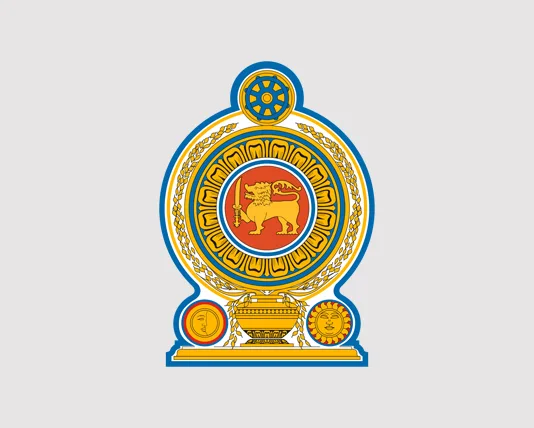
National Emblem
Adopted in 1972 when Sri Lanka became a republic, the emblem is a powerful representation of the nation’s values. It features a gold lion passant holding a sword (representing bravery and sovereignty) in the center. This is surrounded by petals of the Blue Water Lily (the national flower) and placed atop a Punkalasa (traditional grain vase), which symbolizes prosperity. The Dharmachakra (Wheel of Dhamma) sits at the top, signifying the country’s commitment to just rule and Buddhist principles, while the sun and moon flank the sides to symbolize longevity.
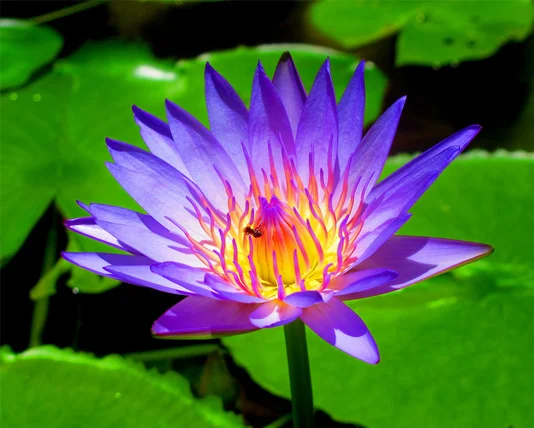
National Flower: Blue Water Lily (Nil Manel)
The Blue Water Lily (Nymphaea nouchali) was officially declared the national flower in 1986. Found in shallow waters throughout the island, this star-shaped bloom is a symbol of purity, truth, and discipline. It has been featured in ancient Sri Lankan art, most notably in the world-famous Sigiriya frescoes.
National Tree: Ceylon Ironwood (Na)
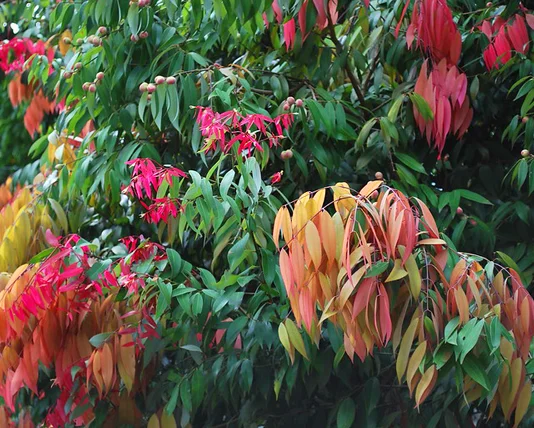
The Na Tree (Mesua ferrea) is cherished for its beauty and utility. It was chosen for its endemism, historic importance, and its bright red young leaves that eventually turn deep green. In Theravada Buddhism, it is believed that the next Buddha (Maithree) will attain enlightenment under a Na tree, making it spiritually significant.
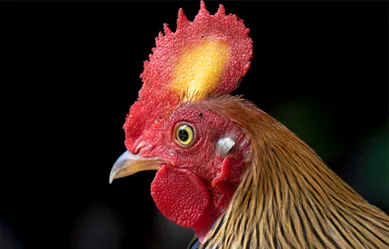
National Bird: Sri Lankan Junglefowl (Wali Kukula)
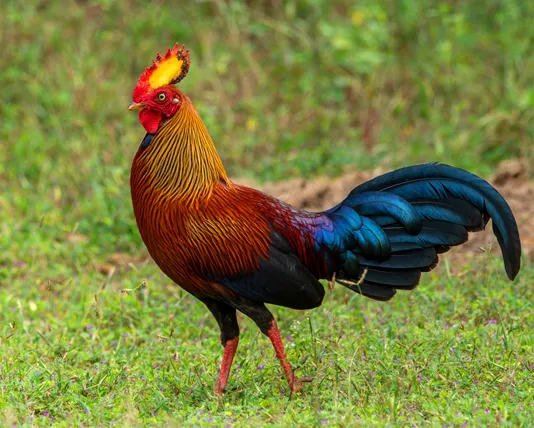
Endemic to Sri Lanka, the Sri Lankan Junglefowl (Gallus lafayetii) is a colorful bird frequently seen in national parks and dense scrub jungles. The male is particularly striking with its orange-red body plumage and a yellow-spotted comb.
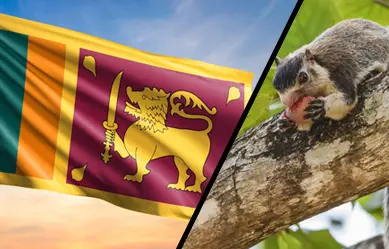
National Animal: Sri Lankan Giant Squirrel (Dandu Lena)
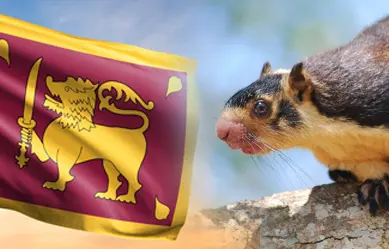
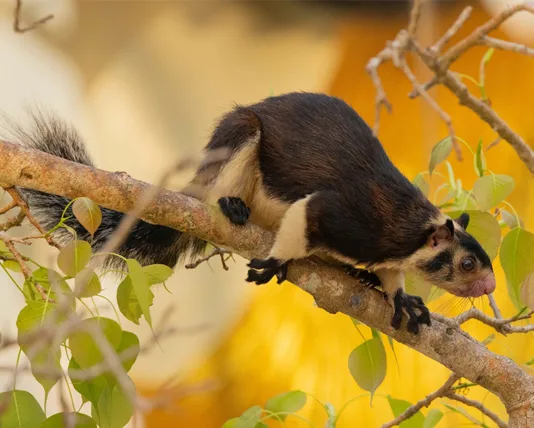
While the Lion is the symbolic animal of the country (appearing on the flag and emblem), the Sri Lankan Giant Squirrel (Ratufa macroura) was officially designated as the national animal to represent the island’s actual wildlife and biodiversity.
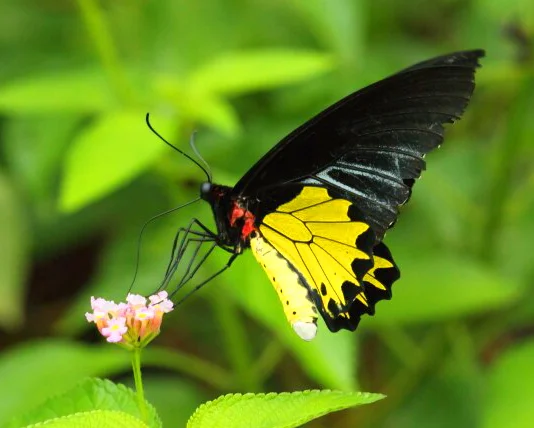
National Butterfly: Sri Lankan Birdwing
The Sri Lankan Birdwing (Troides darsius) is the largest butterfly in the country. With its velvet-black wings and bright yellow patterns, it is a flagship species for conservation efforts and represents the island’s incredible insect biodiversity.
National Sport: Volleyball
While Cricket is arguably the most popular sport, Volleyball was officially recognized as the national sport in 1991. It was chosen due to its immense popularity at the grassroots level across all rural and urban areas of the island.

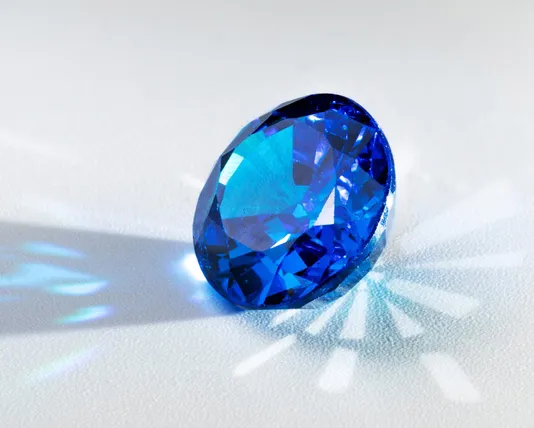
National Gemstone: Blue Sapphire
Sri Lanka is world-renowned for its high-quality gemstones, particularly the Blue Sapphire. Declared the national gemstone in 2003, it represents the island’s geological wealth. The famous “Blue Belle of Asia” and the “Star of India” are both believed to have originated here.
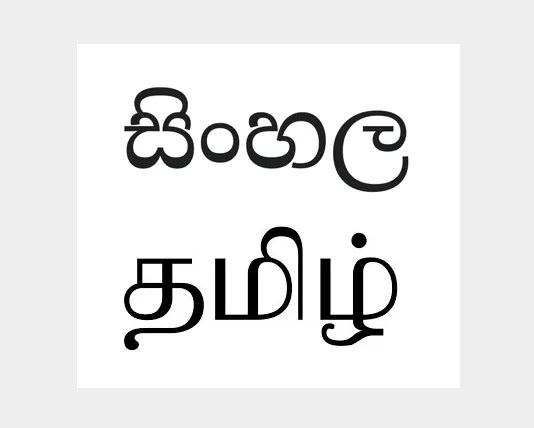
National Languages: Sinhala and Tamil
Sri Lanka recognizes Sinhala and Tamil as its official national languages. While English is widely used for business and education (referred to as a “link language”), Sinhala is spoken by the majority, and Tamil is primarily spoken by the Tamil and Moor communities.
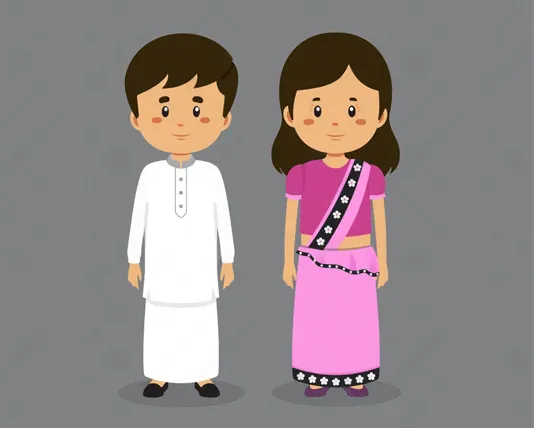
National Dress:
For Men: The traditional attire is the Sarong paired with a shirt or a “National” (a white long-sleeved tunic).
For Women: The Sari (often the Kandyan style or Osari) is the traditional choice, known for its elegant drape and intricate designs.
National Dish: Rice and Curry
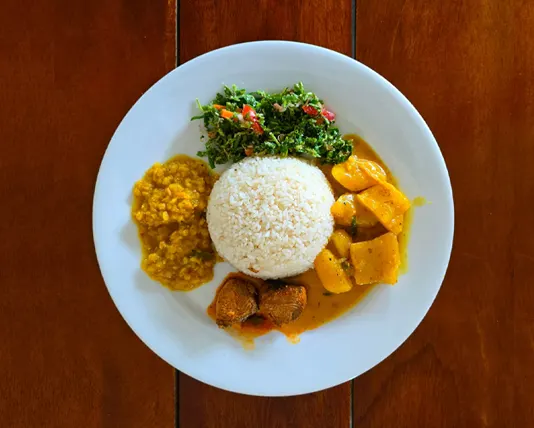
The staple of every Sri Lankan household is Rice and Curry. A typical meal consists of a large portion of rice served with various curries, including dhal (lentil), vegetables, meat or fish, and the essential Pol Sambol (a spicy coconut relish).
National Fruit: Jackfruit (Kos)
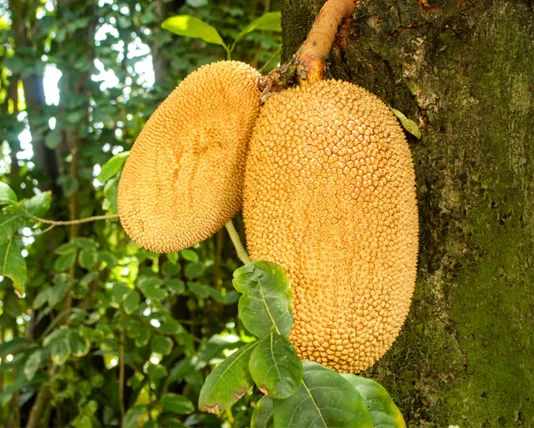
Though often debated alongside the Mango, the Jackfruit is deeply ingrained in Sri Lankan history. Known as the “Tree of Rice” (Buth Gasa) during times of famine, it provided vital nutrition to the population. It is consumed in various stages, from tender “Polos” curry to the ripe, sweet fruit.
National Flag (Sinha Kodiya)
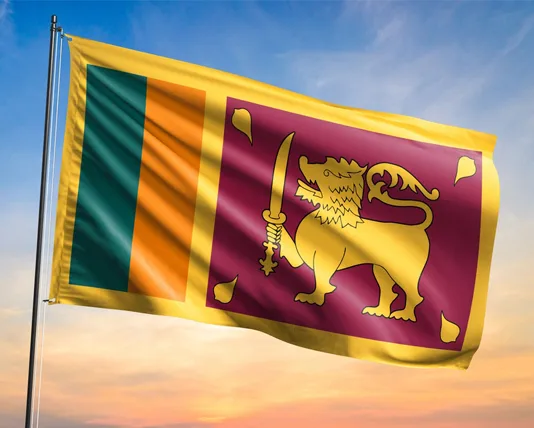
The National Flag of Sri Lanka, also known as the Lion Flag, is one of the oldest and most unique flags in the world. It is a profound symbol of the nation’s history and its diverse population.
Symbolism and Meaning:
- The Golden Lion: Represents the Sinhalese ethnicity and the bravery of the nation. The sword held by the lion signifies the sovereignty of the country.
- The Four Bo Leaves: Located in the corners of the maroon rectangle, these represent the four Buddhist virtues: Metta (loving-kindness), Karuna (compassion), Mudita (sympathetic joy), and Upekkha (equanimity).
- The Maroon Background: Represents the majority Sinhalese community.
- The Saffron (Orange) Stripe: Represents the Sri Lankan Tamil community.
- The Green Stripe: Represents the Sri Lankan Moor (Muslim) community and other minority groups.
- The Yellow Border: Symbolizes the unity of all Sri Lankans and the protection of the Dhamma.
National Anthem (Sri Lanka Matha)
The national anthem, “Sri Lanka Matha”, is a tribute to the beauty, bounty, and freedom of the motherland. It was written and composed by Ananda Samarakoon in the late 1930s and was officially adopted as the national anthem on November 22, 1951.
Key Features:
- Inspiration: The anthem was inspired by the teachings of Rabindranath Tagore and the Indian independence movement, focusing on peace, prosperity, and national unity.
- Language: It is primarily sung in Sinhala, but a Tamil version (Sri Lanka Thaaye) is also recognized and used, especially in the Northern and Eastern provinces, making it one of the few anthems in the world performed in two languages to reflect national inclusivity.
- Message: The lyrics praise the island’s natural landscape—its “grain, fruit, and fragrant flowers”—and call for the citizens to live as “children of one mother” in harmony.